Describing Reading in the 21stCentury
A lot of us do so much but never put a thought as to why we do it. Just like reading. What is so compelling about novels or so captivating about memoirs or bibliographies. Why do others prefer fiction and others are more into non-fiction? It is more of a personal preference and it varies from one person to the other. But what happens when we read? Our brains gets stimulated.

We create these images in our minds without prompting and it transports us to a whole new world.Our brains come alive to the sound of spoken words. We are able to re-live the experience. It gives our mind an intensified work-out. It can even create languages. It could have a greater impact on our awareness and become more empathic towards others.
But what is it like, to read in the 21st century? Technology has advanced further than we could have imagined years ago. Is it for our betterment? Or is it detrimental? Do our students have the passion for reading? Or are they just being spoonfed with ideas that the teacher programs into these young individuals?
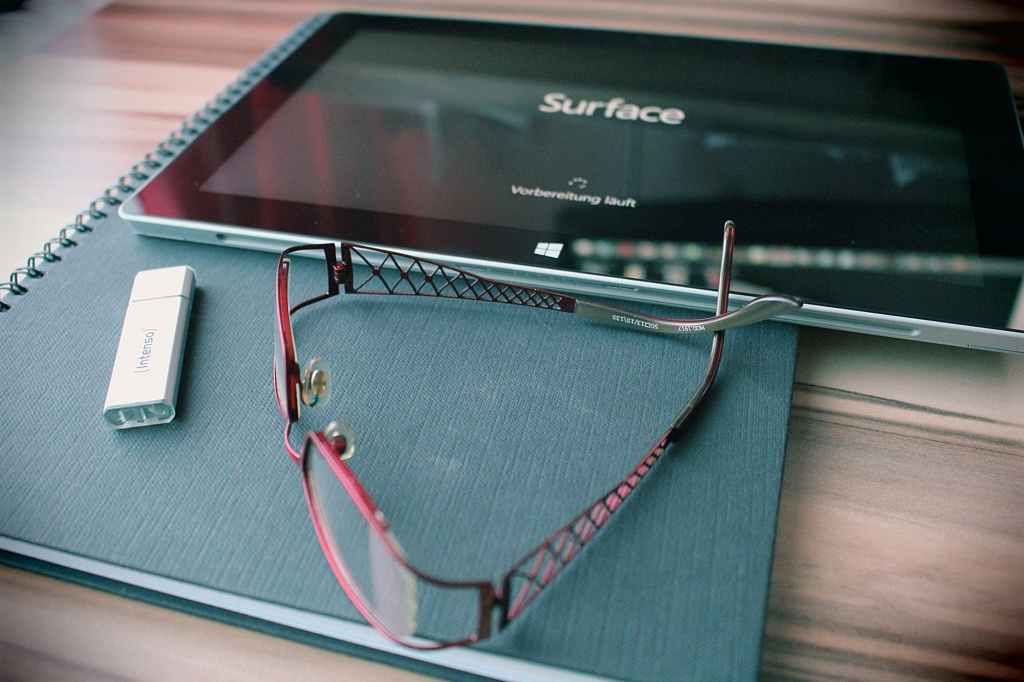
Book pages are now obsolete because of our screen-based technology. Images are reconfigured to fit the purpose and design of on-screen readings. Imagestakes up more space than the texts.Style and placing is based on the marketing of the reading and is dependent on the demand of the target audience.(Jewitt, 2005)

The pace of changes in technology has accelerated and advanced in such a way that there is a rising demand for highly skilled workforce. Technological changes and global competitiveness is growing in importance to prepare everyone in order to cope with the brisk changes in technology. (Dole,n.d.)
New learning tools are available in the internet like blogs, wikis and even podcasts. It is interactive and some are bilingual and even multilingual. It is cultural based, politically correct and could even be gender sensitive. Which presents new challenges and opportunities for students and teachers alike.
Classroom settings are different from what we are used to. Filled with an awesome rapid change in the way we teach and learn. The world is a mere internet connection away. And we are able to explore new cultures, point of views and we are more mobile amidst our diversities.
With these changes, challenges, and opportunities, we need to be able to fine tune our social and cross-cultural skills to develop a curriculum focused on leadership and responsibility and further enhance and equip our 21st century readers.
References:
- “Your Brain on Books: 10 Things That Happen to Our Minds When We Read” Recovered from: http://oedb.org/ilibrarian/your-brain-on-books-10-things-that-happen-to-our-minds-when-we-read/
- Jewitt, Carey “Multimodality, “Reading”, and “Writing” for the 21st Century.” September 2005, pp. 315-331. Recovered from: http://culturemediaed.pressible.org/files/2011/09/jewitt_multimodality.pdf
- Dole, Janice A. “Literacy Demands of the 21st Century.” (n.d.), Recovered from: https://www.slcschools.org/departments/curriculum/language-arts/documents/Literacy-Demands-of-the-21st-Century.pdf

 Zanyfem Online Services
Leave a reply to PadrePio Cancel reply