
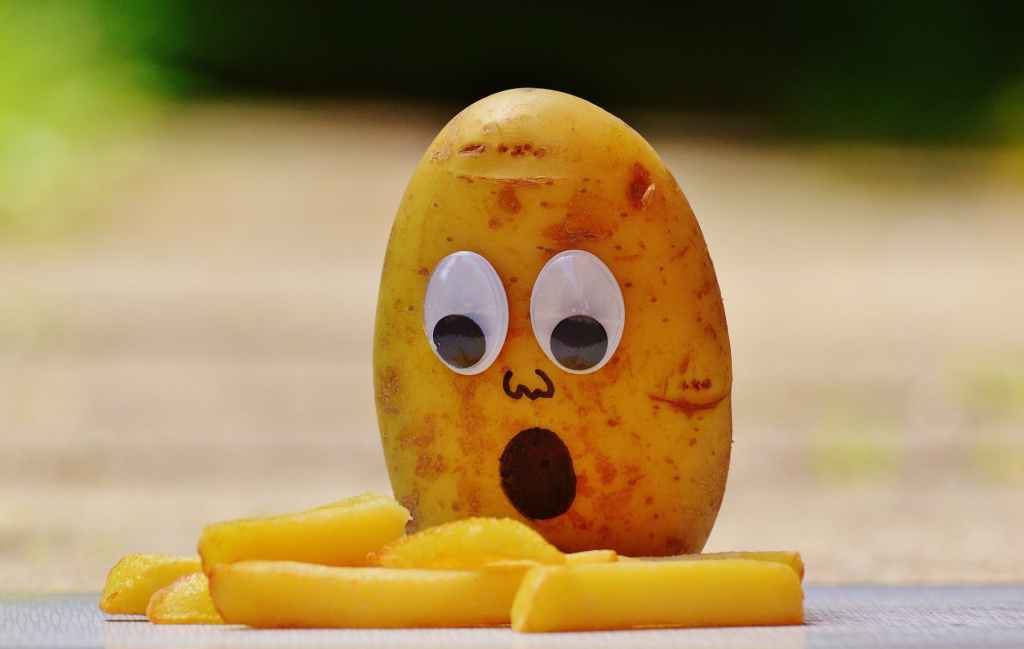
“What Makes Puns, Fun?”
Peter McGraw said that, humour is both pervasive and beneficial. Now what does this mean? It means that humans of all ages and or culture experience or use humour almost on a daily basis. It influences our choices. Humour is also used simply for the reasons that it makes people happy. It is a coping mechanism for pain, stress and even adversity. But what makes puns fun?
I asked my 10 year old son this same question because I myself don’t know the answer. And he answered, “It’s simple. Puns are pun-ny. Get it?” I got it all right, but it took me a wile (hwil), get it? Ling (2006) defined puns as the use of two words with different meaning but nearly the same sound which produces a humorous effect. It is used in mainly different purposes such as mostly for humour or persuasive purposes. But for McGraw with the use of their crafted theory the Benign Violation Theory, defined puns as violations of linguistic norms, and when combined with something benign, hence making it funny.
My life is all about adulting. That’s my norm these days. Yet I started reading about puns earlier this semester, because I also go to school (violation of my norms). And then I joined the Rural Impact Sourcing Technical Training, which became my benign violation. The training was fun for me. It was humorous. And although it added to my stress and adversities in life, being in the training became my coping mechanism in life. The truth is, I love being a freelancer (be if fulltime or part-time). It gave my life meaning. And it reminded me of my purpose.
Now to answer the question, what makes puns, fun? I’d say it is all about perspectives. Or I could type it as pers.pect.ives. O.o
References:
- Ling, Xiang (2006), “On the Pun in English Advertisements”, Canadian Social Science , Vol 2, No. 2, pp 68-70.
- https://en.oxforddictionaries.com/definition/us/pers.
- https://en.oxforddictionaries.com/definition/pect
- https://nameberry.com/babyname/Ives
- https://extension.psu.edu/toxicity-of-yew-wood-and-roots
 Zanyfem Online Services
Leave a comment